
How to Clean a Resin Driveway Safely
Nothing beats the look of a freshly laid resin bound surface. It instantly elevates the front of your home, offering a sleek, modern finish that turns heads. But over time, leaves fall, cars leak a bit of oil, and the British weather does its usual damp, dreary thing. Eventually, that pristine surface starts to collect a layer of grime.
If you're staring out the window wondering how to clean a resin driveway without accidentally dislodging the stones, you've landed in the right place. At JW Paving, we install high-quality resin bound driveways across Altrincham and Greater Manchester. We spend our days working with these materials, which means we know exactly what keeps them looking brilliant, and what absolutely ruins them.
This guide will walk you through a simple, safe routine for keeping your surface spotless. We'll cover everything from shifting stubborn algae to removing unsightly tyre marks, helping you protect your investment with minimal fuss.
Are resin driveways easy to clean?
Generally speaking, yes. If you keep on top of the basics, they are incredibly low maintenance. Because a properly installed resin bound driveway has a smooth, permeable finish, it naturally drains surface water and actively discourages weed growth. You certainly won't find yourself spending every Sunday pulling dandelions out of the joints like you might with traditional block paving.
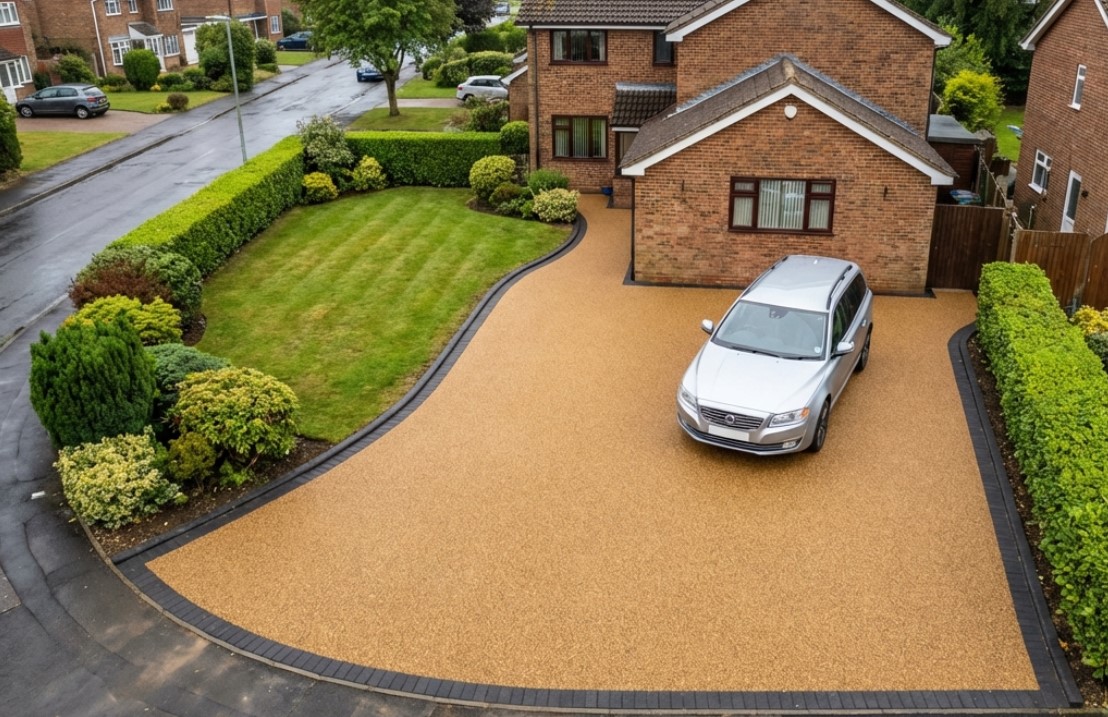
That said, low maintenance doesn't mean zero maintenance. Shaded spots can attract moss, overhanging trees will drop sap, and daily vehicle traffic brings dirt. But as long as you take the right approach, giving the surface a quick spruce-up is a very straightforward job.
What you'll need before you start cleaning your resin driveway
You don't need a van full of industrial chemicals to get a great result. In fact, gentle is always better. Grab the following items from your garage or shed:
A stiff-bristled broom
A bucket of warm water
A mild detergent or pH-neutral cleaner (standard washing-up liquid often does the trick)
A soft-to-medium brush for scrubbing
A standard garden hose
A quick heads-up: if you decide to buy a specialist driveway cleaner, always test it on a small, hidden corner of the resin first. It's better to be safe than sorry when dealing with chemicals.
Quick routine clean (the 10-15 minute method)
Think of this as a quick spa day for your driveway. Doing this every few weeks stops dirt from building up and makes deep cleaning much easier down the line.
Clear the debris: Pick up any larger twigs, leaves, or clumps of soil. Leaves left to rot on the surface can cause tannin stains.
Sweep thoroughly: Give the whole area a vigorous sweep with your stiff broom. Pay special attention to the edges and corners where dirt loves to hide.
Rinse it down: Grab the hose and give the driveway a good rinse to lift away loose dust.
Wash with soapy water: Mix some warm water with a squirt of mild detergent. Pour it over the surface. There's no need to wage war on it; just let the soapy water do its thing.
Lightly scrub: Take your soft-to-medium brush and gently agitate any visibly dirty patches.
Rinse and dry: Hose off the soapy residue completely and let the driveway air dry.
DIY resin driveway cleaning for tougher grime and green growth
If your driveway sits in the shade, you might notice a slight green tinge developing over the winter months. Algae, moss, and lichen love damp, dark environments.
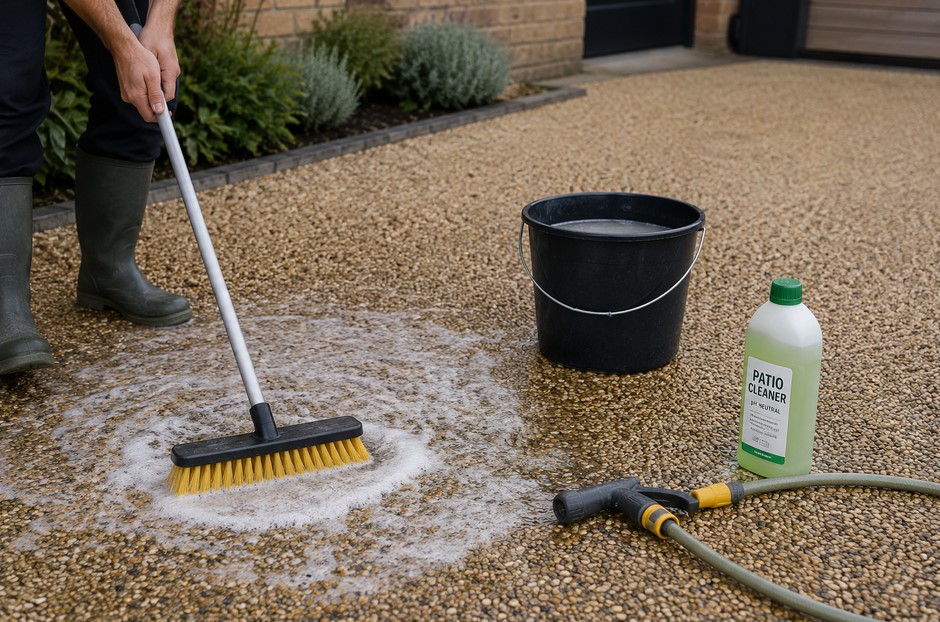
For effective DIY resin driveway cleaning, you'll want to use an outdoor cleaner specifically designed to be gentle and pH neutral. Avoid harsh acids or strong bleach solutions, as these can break down the resin binder over time. Apply your chosen cleaner according to the manufacturer's instructions, allow it the proper dwell time to break down the green growth, and then gently scrub the area before rinsing thoroughly.
To stop the green stuff coming back so quickly, try to improve airflow and sunlight to the area by trimming back overhanging bushes. Keeping the surface regularly swept also removes the organic matter that moss needs to grow.
Is jet washing a safe method to clean resin driveways?
You absolutely can, but you need to be careful. A heavy-handed blast can loosen the stones and cause expensive damage.
If you're going to use a pressure washer, keep the pressure setting low. Always use a fan or flat spray nozzle rather than a concentrated turbo jet. Keep the nozzle a good distance from the ground—around 20 to 30 centimetres is usually safe—and keep the wand moving. Never concentrate the spray on one single spot, and be extra cautious around the edges of the driveway.
If you're unsure about the stability of your surface or don't know who originally installed it, it's safer to stick to a hose. If you need some advice, give our team a shout and we can point you in the right direction.
How to remove common stains (without making things worse)
Spills happen. Whether it's a leaky engine or a dropped plant pot, here is how to tackle specific marks safely.
Oil spills and grease stains
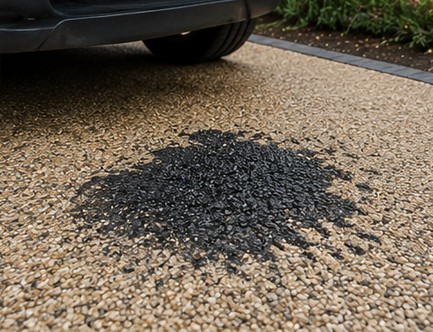
Act quickly. If the oil is fresh, soak up the excess using absorbent granules, sawdust, or even cat litter. Once you've blotted up the worst of it, apply a mild, resin-safe degreaser. Give it a gentle scrub with warm water and rinse thoroughly. You might need to repeat this process a couple of times for older, baked-in stains.
Tyre marks
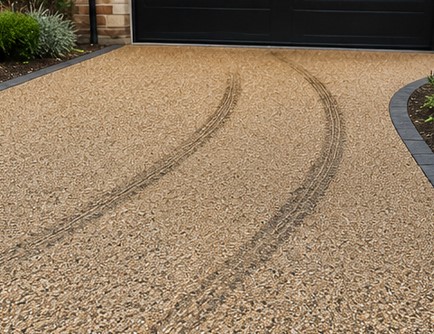
Heavy vehicles turning tightly can sometimes leave dark rubber marks behind. Usually, warm soapy water and a bit of elbow grease with a medium brush will lift them. If they are particularly stubborn, a mild citrus-based cleaner can help break down the rubber. Never use a metal scraper to try and chip them off.
Rust marks
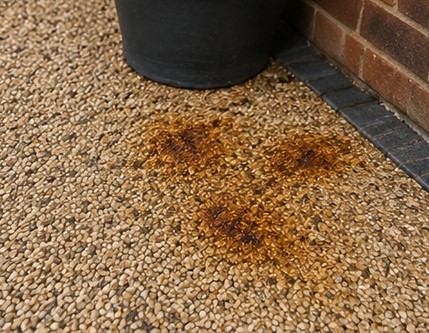
Rust stains often appear if you leave metal planters or old garden furniture sitting on the driveway. These are tricky, as many heavy-duty rust removers contain strong acids that discolour resin. Always spot test any rust remover first. If the stain has deeply set into the surface, it might be worth contacting us for professional advice.
Chewing gum
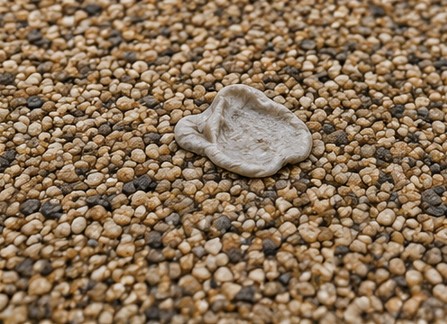
Removing chewing gum from a resin driveway is easier than it may seem. Start by freezing the gum to make it brittle. You can do this by placing an ice pack or a bag of ice cubes over the gum for several minutes until it hardens. Once the gum is frozen, use a plastic scraper or an old credit card to carefully lift it off the surface. Avoid using metal tools to prevent scratches on the resin.
If any residue remains, apply a small amount of citrus-based cleaner and gently rub it with a soft cloth to remove the leftover gum. Rinse the area with warm water to finish the cleaning process. Always test cleaners on an inconspicuous area beforehand to ensure they don't damage the resin.
Leaf and tannin stains
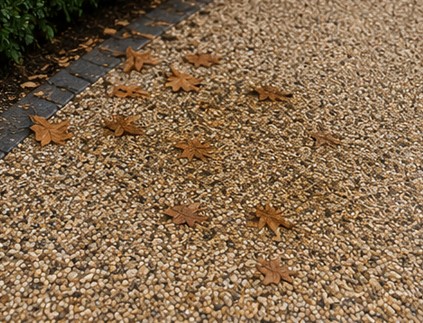
Fallen leaves act like giant tea bags when it rains, leaching dark brown tannins into your pristine driveway. The best cure is prevention: sweep leaves away promptly in autumn. If staining has already occurred, a gentle wash with warm soapy water and a soft brush will fade the marks over time.
What not to do (how people accidentally ruin a nice driveway)
We have seen plenty of well-meaning homeowners inadvertently damage their surfacing. To keep your driveway looking first-class, avoid these common blunders:
Don't use harsh chemicals, solvents, or white spirit without checking compatibility first.
Don't blast the surface with a high-pressure turbo nozzle.
Don't use wire brushes, metal scrapers, or stiff metal rakes to clear snow and ice.
Don't let bleach-heavy mixtures sit on the surface for long periods.
Don't ignore small damaged patches, as freezing water will get inside and expand, making the hole much worse.
How often should you clean a resin driveway?
A light sweep every week or fortnight is usually enough to keep everyday debris at bay. Giving it a proper wash with the hose and soapy water every one to three months will keep the colours looking vibrant.
We recommend giving the driveway a thorough deep clean twice a year: once in the spring to clear away winter grime, and once in the autumn to prepare for the colder weather. During winter, avoid using rock salt if possible, as it can sometimes leave a white residue. Stick to a plastic snow shovel to avoid scratching the finish.
When it's worth calling in the pros
Sometimes, a bucket of soapy water just won't cut it. If you have persistent algae in heavily shaded areas, oil stains that simply keep returning, or you're noticing loose stones and poor drainage, it's time to put the brush down.
At JW Paving, we pride ourselves on giving straightforward advice and clear communication. If your driveway needs professional attention, patching, or entirely replacing, we approach the job with a proper tidy, handover-focused mindset.
Resin driveway cleaning guide: FAQs
Are resin driveways easy to clean compared to block paving?
Yes. Because resin bound surfaces have no sand-filled joints, weeds find it much harder to take root. You spend far less time weeding and more time simply sweeping away loose dirt.
What's the best cleaner for a resin bound driveway?
Warm water mixed with a mild, pH-neutral detergent is the safest and most effective option for general cleaning.
Can I use washing-up liquid to clean a resin driveway?
Absolutely. Standard household washing-up liquid cuts through mild grease and dirt without damaging the resin binder.
Is a pressure washing safe on resin?
Yes, providing you use a low-pressure setting, attach a wide fan nozzle, and keep the spray wand at least 20cm away from the surface.
How do I remove algae and moss from resin without damaging it?
Use a dedicated, gentle outdoor cleaner that is safe for resin. Apply it, let it sit, scrub gently, and rinse thoroughly.
Can I use bleach on a resin driveway?
We strongly advise against using neat bleach. It can degrade the resin binder over time and cause the beautiful stones to discolour or loosen.
Is it safe to use metal tools to clean a resin driveway?
It is not recommended to use metal tools for cleaning a resin driveway, as they can scratch or damage the resin surface. Instead, opt for plastic or rubber tools, which are gentler and effective at removing dirt or debris without compromising the integrity of the driveway.
When should I contact a professional for resin driveway cleaning or repairs?
If the surface starts to crack, stones are coming loose in large patches, or water is pooling instead of draining through, you should reach out to a professional surfacing contractor to assess the area.
Want a hand keeping your resin driveway looking its best?
A little bit of routine care goes a very long way. By following the steps in this guide, your resin driveway will stay looking sharp, welcoming, and vibrant for years to come.
If you're not sure what's safe for your surface, or you've noticed a damaged patch that needs looking at, give us a ring and we'll point you in the right direction. And of course, if you're thinking about upgrading your home's exterior, we install top-tier resin bound driveways, block paving, porcelain paving, and patios across Altrincham and Greater Manchester.
Get in touch with the team at JW Paving today for straightforward advice, maintenance recommendations, or a free, no-obligation quote.

